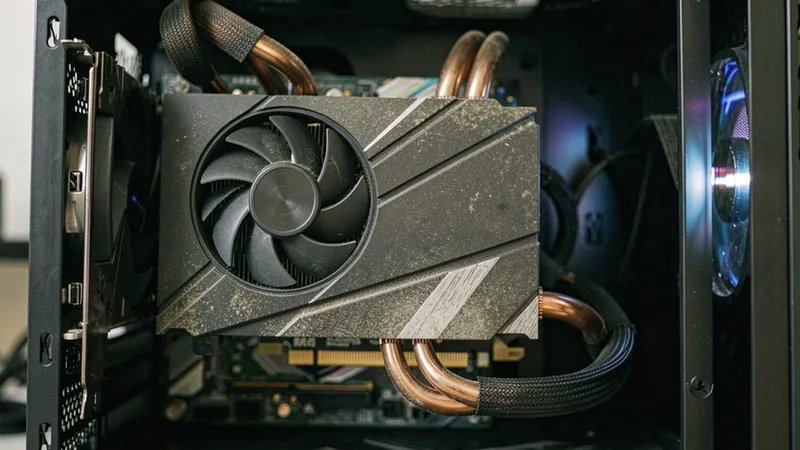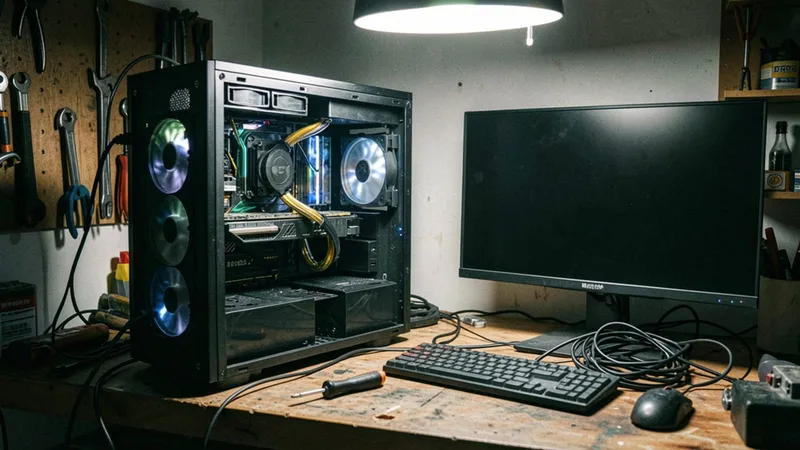

The Steam Machine is the most principled console you probably shouldn't buy
Valve's six-inch cube costs $1,049 because Valve refuses to sell hardware below cost. Here is whether that principle, and the engineering behind it, justifies the money.
Archive
Everything we have published, newest first. 11 articles and counting.
Valve's six-inch cube costs $1,049 because Valve refuses to sell hardware below cost. Here is whether that principle, and the engineering behind it, justifies the money.
Game Pass Ultimate went to $29.99 with day-one Call of Duty, then down to $22.99 without it. Microsoft ran the experiment in public and published the result.
Shader compilation, traversal streaming and expensive rendering features all cause stutter in Unreal Engine 5 games, but they have different causes, fixes and levels of developer blame.
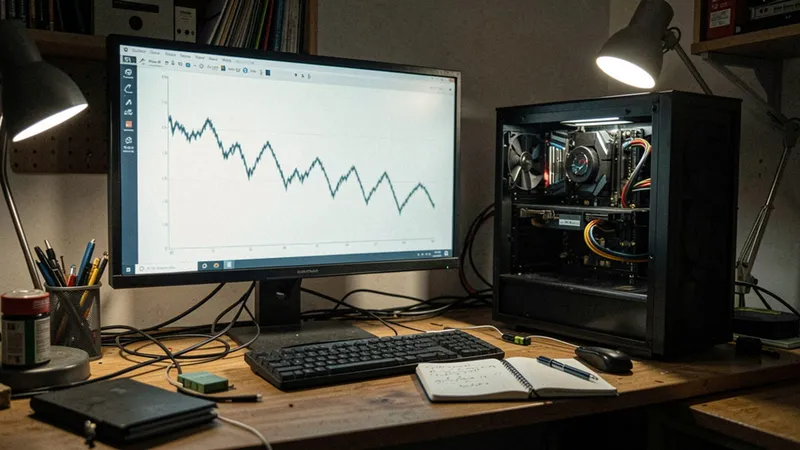
A practical guide to reading frame-time graphs, percentiles and latency so a benchmark chart tells you something true instead of something flattering.
Nearly 1.3 million people signed a petition asking Europe to guarantee games stay playable after shutdown. Brussels said it legally can't, and offered a voluntary code instead.
Highguard lasted 45 days and Destiny 2 lasted a decade, yet both ended the same way. Here's what that says about a business model that can't survive missing.
Paid early access moved buyers ahead of reviews and publishers noticed. Here is how the modern release cycle got built, and why waiting two weeks costs you nothing.
PEAK broke even in hours on a budget under $200,000. But indie sales numbers are a mess of copies, players and estimates dressed up as fact, and that's the story.
S.T.A.L.K.E.R. 2 shipped broken and became Game of the Year. Borderlands 4 shipped broken and lost its opening week. The difference was never the bug list.
The Weekly Save
The stories that actually mattered this week, the benchmarks worth reading, and the one thing everyone got wrong. Unsubscribe in a click.