
What Indie Breakouts Actually Cost, and Why the Numbers Don't Add Up
PEAK broke even in hours on a budget under $200,000. But indie sales numbers are a mess of copies, players and estimates dressed up as fact, and that's the story.
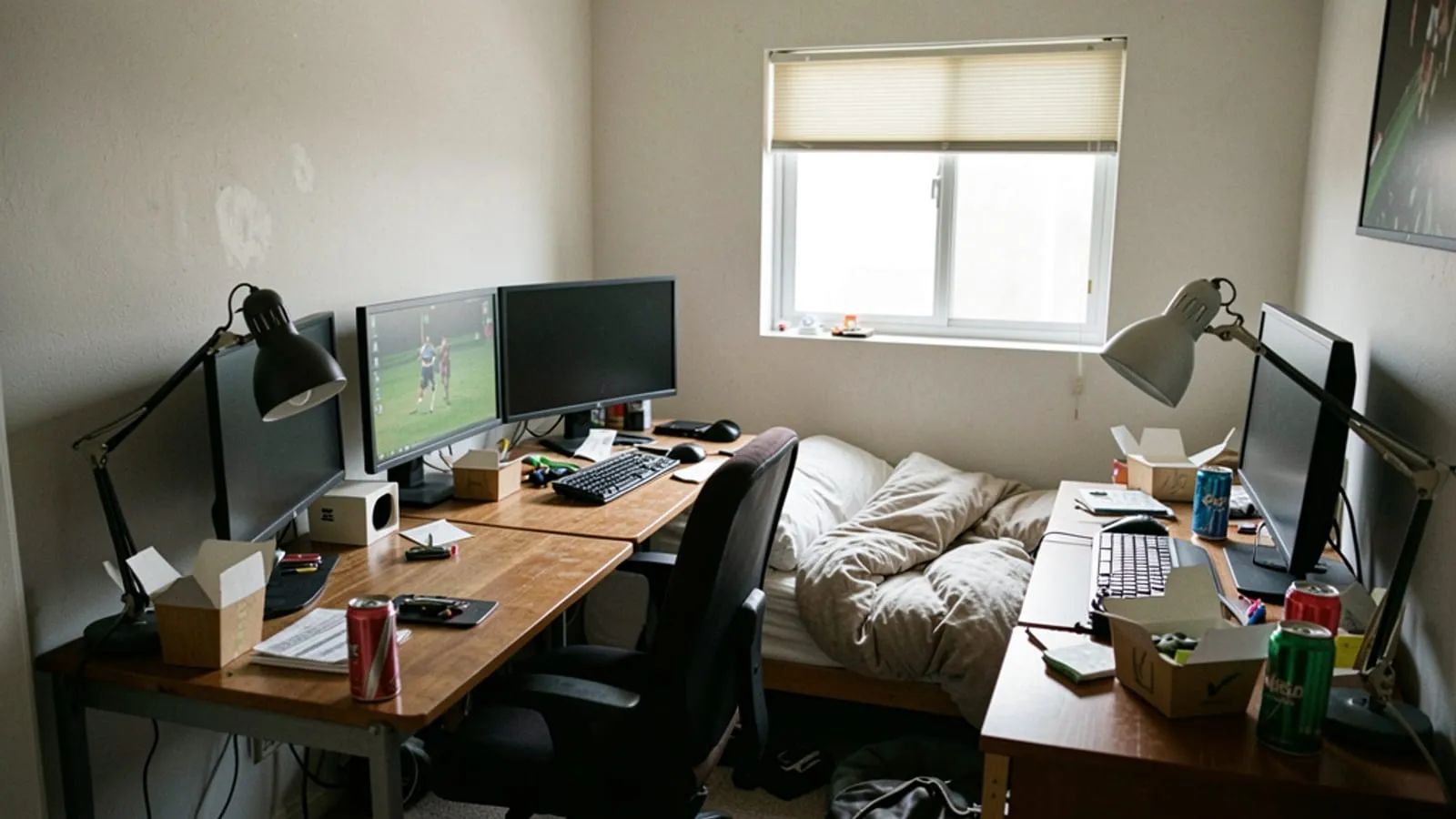
Seven people. Under $200,000, most of it a couple of months’ salary and an Airbnb in Seoul. PEAK broke even in its first few hours on sale and hit 4.5 million copies within a month. That isn’t a marketing line somebody workshopped in a deck. That’s an actual number sitting in a spreadsheet at Aggro Crab, and it’s the best figure in the entire indie boom right now, better than Balatro’s, better than Schedule I’s, better than anything Nexon has filed with regulators about Arc Raiders.
I could write the easy version of this piece. Indies are winning, the AAA model is broken, small teams beat big budgets. It’s not wrong, exactly. But it’s boring, and it skips past the part that actually matters, which is that the economics at the low end have genuinely inverted while the reporting layer sitting on top of them has gotten worse, not better. A studio can now make a fortune off seven people and a rented apartment. It can also announce a “player” number that means almost nothing, watch three outlets and a wiki page treat it as fact within a day, and nobody checks.
Both things are true at once. That’s the actual story.
The floor actually moved
For years the pitch was: spend four or five years on your game, hope a publisher notices, hope Steam’s algorithm is kind. That pitch still exists. But a second, weirder path opened up next to it, and produced multiple seven-figure outcomes from teams you could fit in a minivan.
Aggro Crab and Landfall put three staff and four staff into a single production, met for a month-long retreat in Seoul in February 2025, and shipped within a week of announcing it. The two studios co-published and split revenue with contributors directly. Total spend: under $200,000, mostly a couple of months’ salaries plus flights, food and the Airbnb. Then the trajectory did something nobody expected. 100,000 copies in 24 hours. A million within six days. 4.5 million within a month, with roughly 100,000 people playing concurrently on a normal day. Aggro Crab studio head Nick Kaman:
“We broke even in the first few hours. Now that a week has passed we’re at 1.6 million copies. It’s absolutely bonkers and none of us expected it.”
He’d hoped, at best, PEAK “would eventually do half as well as Content Warning.” It did roughly nine times that. Alinea later estimated PEAK past 10 million copies by mid-August, and I want to flag immediately that this is an estimate, not something Aggro Crab or Landfall announced. Co-op games grossed $4.1 billion on Steam in the first half of 2025, per the same firm, the highest six-month total the genre has posted, and PEAK rode that wave better than anything else did.

Balatro is the other extreme end of the same story. LocalThunk is a solo developer working out of Saskatchewan, discovered when a Playstack scout slid into his Twitter DMs. The game made $1 million in around eight hours after its February 2024 launch, hit 500,000 copies in ten days, and by January 2025 LocalThunk had confirmed 5 million himself, crediting part of the late surge to Game Awards nominations and telling players to “try to make playing indie games a habit.” No confirmed figure exists above that. Playstack’s March 2026 disclosure says only that the game “recorded record sales in 2025” without a number, so anything higher you’ve seen is invented.
What Playstack did disclose is its own economics, which is more useful than another Balatro figure would be. CEO Harvey Elliott put the publisher’s hit ratio above 85 percent, its ROIDC over 300 percent, catalogue lifetime Steam gross past $100 million, and profit before tax up from £7.7 million in 2024 to £12.2 million in 2025. In May 2026, TruFin sold its 84.5 percent Playstack stake to VantageCo, owner of Fandom and GameSpot, for £112.4 million. A company built partly on one card roguelike made by one guy just sold for nine figures. LocalThunk himself doesn’t sound thrilled by any of it. He delayed the 1.1 update indefinitely in September 2025: “I probably shouldn’t have announced any date for the 1.1 update at all. I’m a hobbyist developer at heart.” Twelve-hour crunch days around launch, burnout, a recovery break, now a few hours a day.
Schedule I might be the most absurd budget-to-outcome case here, if the numbers hold up. Gamalytic estimates 5.2 million copies and $89.2 million gross, never confirmed by the solo developer known as Tyler. What isn’t in dispute: concurrents never dropped below 100,000 since its March 2025 launch, and it sits on over 90,000 “Overwhelmingly Positive” reviews. As of January 2026, Tyler had only just hired a second person, expecting roughly four staff by year’s end. A possible multi-million-copy hit run, for most of its life, by one person with no company name attached.
Megabonk is smaller but similar. Solo developer vedinad announced a million-plus copies in two weeks in September 2025, against a release window containing Silksong and Hades II, and celebrated with “eating spaghetti with extra sauce tonight.” He then withdrew from The Game Awards’ Best Debut Indie category, explaining he’d made games under other names before and pointing voters toward Clair Obscur, Blue Prince, Despelote or Dispatch instead. No confirmed figure exists beyond that first million. And Lethal Company’s “10 million copies,” which predates most of this cycle, comes from Push to Talk using the Boxleiter method, a formula estimating sales from Steam review counts, bundled with an estimated $113.9 million gross. It’s a calculation, not an announcement. Developer Zeekerss called the whole run “a rare and lucky experience” and added a line that’s stuck with me: “Money is powerful but also imaginary and untrustworthy.”
Copies, players and wishlists are not the same word
Here’s the part that actually annoys me. The industry has three metrics, copies sold, players who’ve touched the game, and people who’ve merely wishlisted it, and uses them interchangeably whenever convenient.
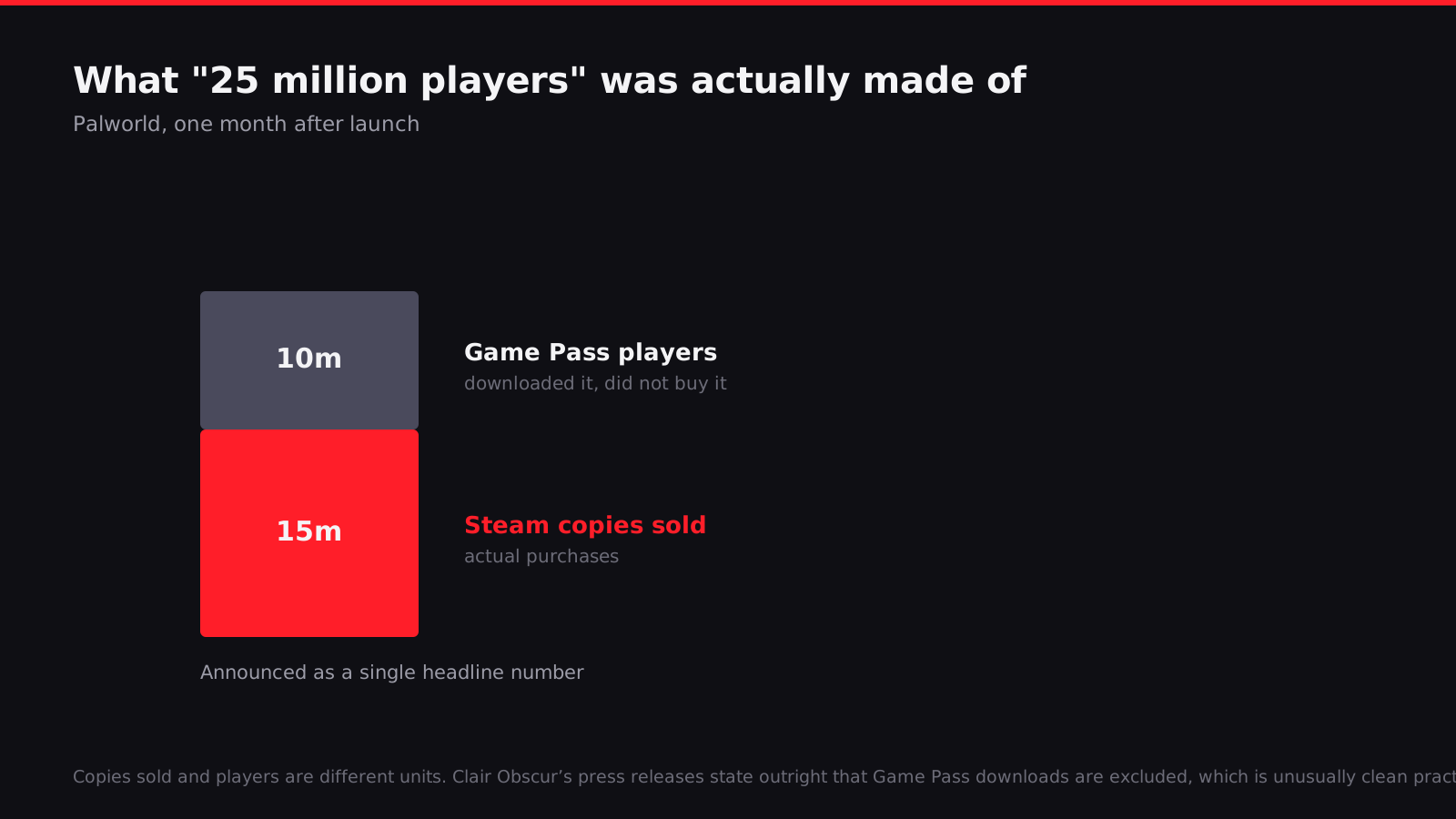
Palworld is the cleanest case study anywhere. Pocketpair’s launch ladder was self-announced and genuinely astonishing: a million copies in eight hours, up to eight million within six days, moving roughly 86,000 units an hour on the peak Sunday, with concurrent players hitting 2,101,867 on 27 January 2024, second all-time at that point behind PUBG. Those are copies. Then, on 31 January, Xbox announced 7 million Xbox players, calling it the biggest third-party Game Pass launch ever, alongside a separate 12 million Steam copies sold. A month after launch came the number that made every headline: 25 million players. What almost none of that coverage explained is that it was 15 million Steam copies sold plus 10 million Game Pass players, two different kinds of engagement stapled into one round number. Game Pass subscribers haven’t bought anything. Counting them alongside a purchase isn’t dishonest exactly, but it’s not the same claim, and treating it as one is how “25 million” ends up everywhere with no asterisk.
Palworld kept growing anyway, past 40 million players just before its full 1.0 launch on 10 July 2026, with Alinea estimating roughly 30.5 million premium units lifetime, an estimate rather than a Pocketpair figure. What the raw numbers miss is how brutal the backlash got over plagiarism accusations tied to the game’s monster designs. Community manager John Buckley, GDC 2025: “Shortly after Palworld was released it was super popular to hate Palworld… it was basically everyone.” “Palworld was an impression-printing machine,” he said, and the team went quiet for months hoping it would blow over. Nintendo eventually filed a patent suit in Tokyo in September 2024 over mechanics like ball-throwing capture, seeking roughly ¥10 million in damages, about $69,000, a trivial sum that suggests the suit was never really about the money. In the US, 22 of Nintendo’s 23 equivalent patents were rejected and one approved. The case remains unresolved.
The confusion isn’t unique to Palworld. Manor Lords announced 3.2 million pre-launch wishlists, the most-wishlisted project on Steam at the time, and that number gets quoted as if it were sales. It wasn’t a sale of anything. Actual sales hit 1 million copies within 30 hours of the April 2024 early access launch, and Hooded Horse told buyers “please, don’t feel any pressure to buy the game if waiting is better for you,” maybe the least aggressive marketing line I’ve read in this business. A confirmed 3 million followed by February 2025 across five storefronts. That whole ladder is publisher-confirmed, one of the cleanest in this piece, and it still gets mixed up with the wishlist figure constantly.
Silksong produced a players number and a copies number for the same launch that flatly contradict each other if you don’t read carefully. Day-three reporting claimed “5 million-plus players,” 3 million via Steam and 1 million via Game Pass, attributed to an analyst through GameSpot rather than something Team Cherry said. What Team Cherry actually confirmed, in December 2025, was 7 million-plus copies sold in three months, explicitly excluding Game Pass. Two different metrics from two different sources, conflated constantly anyway. The launch was big enough that eight other games moved their release dates to avoid it.
Then Arc Raiders produced the clearest example of the problem inside a single sentence of its own copy. Embark’s January 2026 milestone post:
“12 million Arc Raiders copies sold! We prepared a gift for reaching 10 million players, but you blew right past it over the holidays.”
Copies and players, same celebratory paragraph, used as if interchangeable. To Embark’s credit, what came after is about as strong as evidence gets. Nexon confirmed 14 million copies in fifteen weeks in its Q4 2025 fiscal filing, and 16 million units by its Q1 2026 filing, with 4.6 million added that quarter alone and more than half of active players logging over 100 hours, adding up to 1.5 billion hours of playtime. Nexon’s quarterly revenue jumped 34 percent year on year off the back of it. CEO Junghun Lee called it “double the amount of success” he’d envisioned. That’s the strongest evidence class anywhere in this piece, a publicly traded company’s actual fiscal filing.
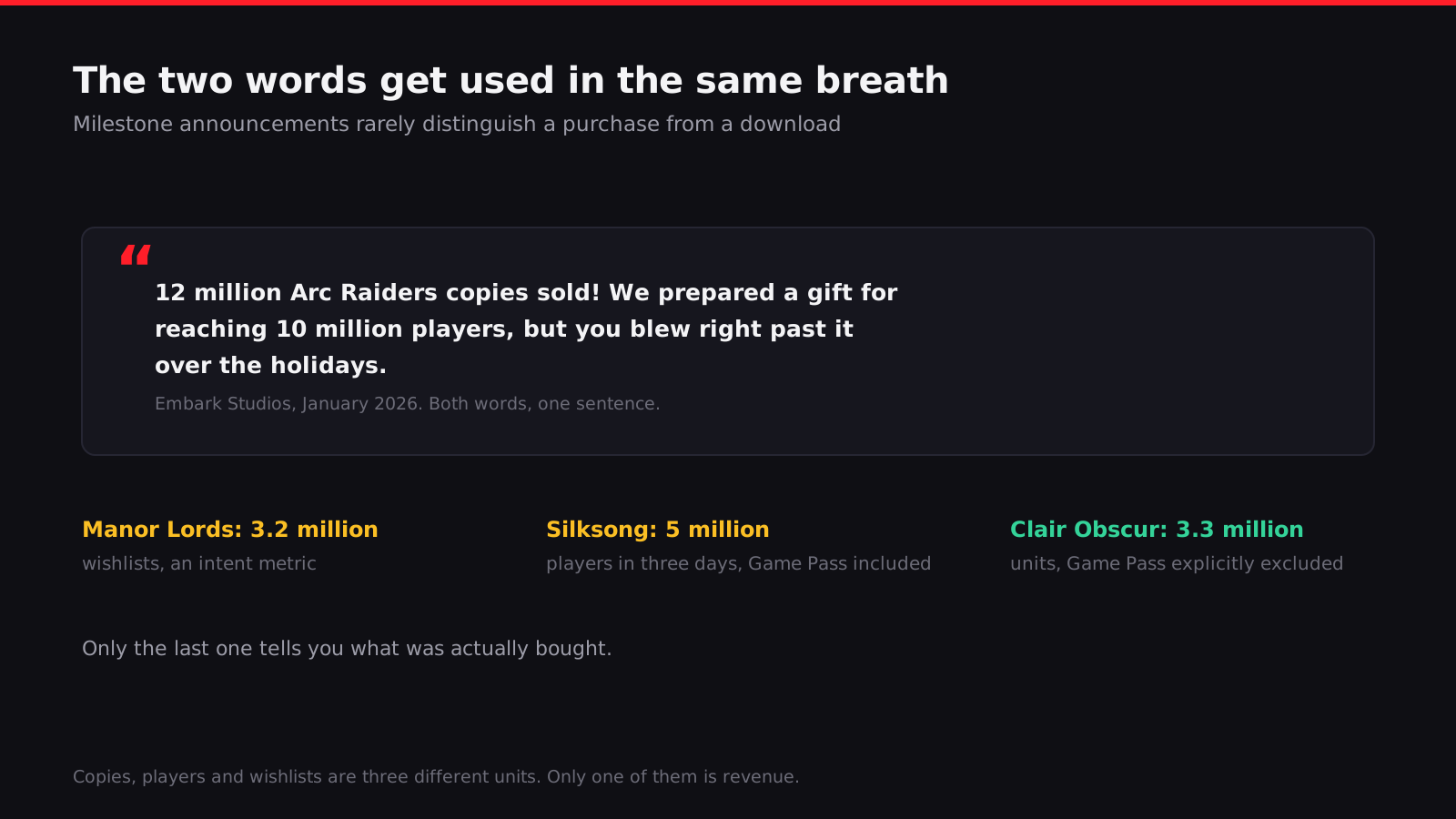
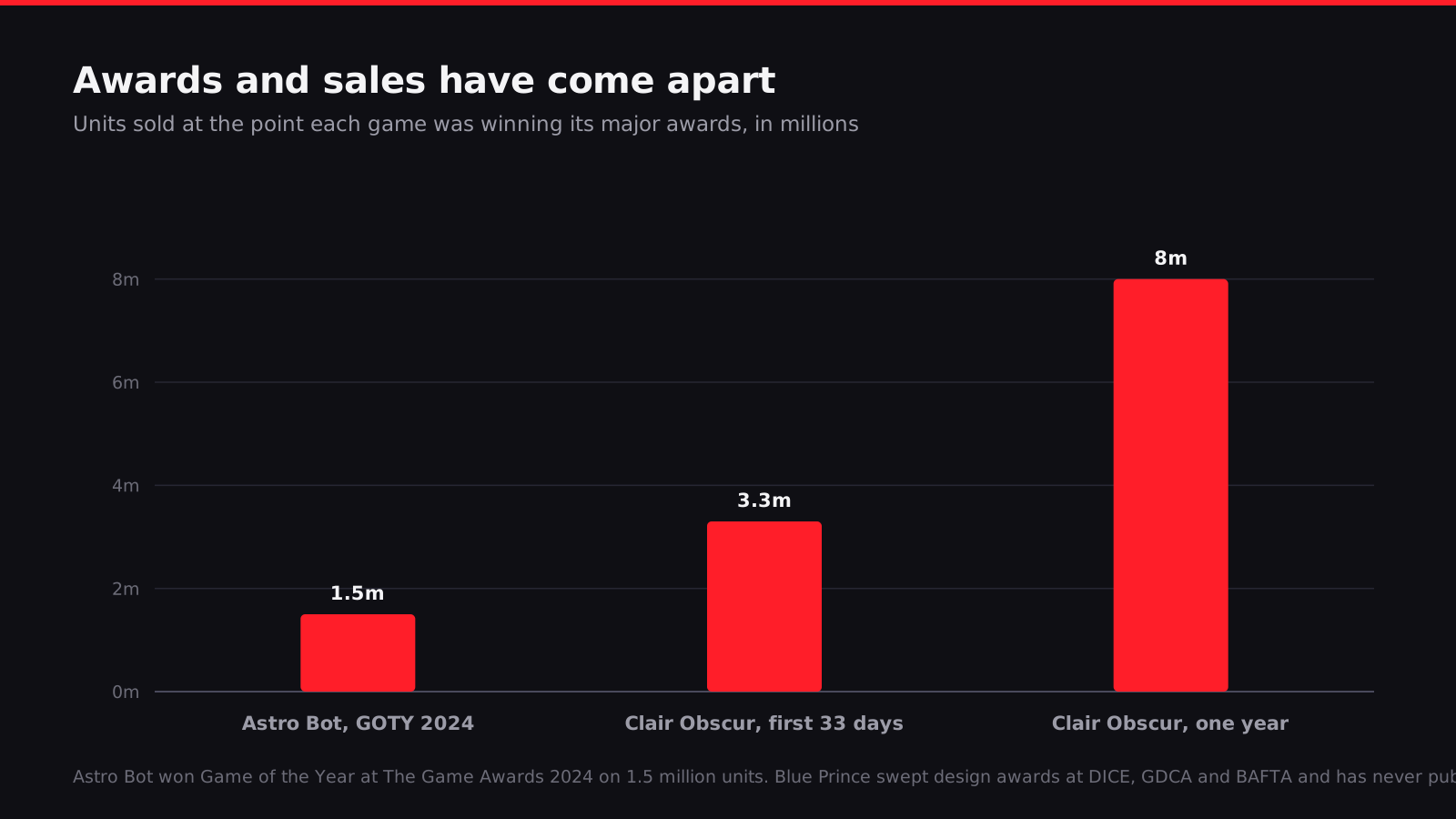
Against all of that, one release did it properly every time. Clair Obscur: Expedition 33’s press releases have consistently stated that Game Pass downloads are excluded from the copies figure. 3.3 million units in the first 33 days, confirmed in May 2025. Five million-plus by October, with creative director Guillaume Broche calling the response “wonderful and overwhelming.” Eight million-plus by its April 2026 anniversary, alongside becoming the most-downloaded new third-party release on Xbox Game Pass in 2025. Every number came with a clean methodology stated up front. It shouldn’t be remarkable that a studio tells you what a number does and doesn’t include. It is remarkable, because almost nobody else bothers.
Three tiers of evidence, flattened into one
There’s an actual structure here, and once you see it you can’t unsee it. Three tiers of evidence exist, and outlets, forums and sometimes developers themselves treat them as if they’re one.
The strongest tier is publisher earnings filings, legally accountable numbers reported to shareholders. Sony confirmed 12 million Helldivers 2 copies across PC and PS5 in three months in its fiscal report for the year ended March 2024, directly stating it had become the company’s “biggest PC hit title to date.” Notice what Sony didn’t say. The widely repeated “fastest-selling PlayStation game of all time” line is press framing attached afterward, not in the filing. Arrowhead’s Johan Pilestedt did confirm a million copies in four days himself, saying it “blew through” internal projections. All of that is solid. The 8 million figure repeated everywhere is not, and most people citing it have no idea it traces to one analyst’s guess.
The second tier is direct developer or publisher announcements, strong and usually accurate, but self-selected and unaudited. Nobody checks Pocketpair’s Steam figures against a third party before they’re posted. That doesn’t make them lies. It means companies announce their good numbers and go quiet on the bad ones, which is roughly what Buckley admitted Pocketpair did during the backlash.
The third tier is where things get messy: third-party estimates from firms like Alinea and Gamalytic, or the Boxleiter method, which infers sales from review counts. These circulate constantly as if confirmed. R.E.P.O. has no official sales figure at all, from anyone. Alinea called it the second “budget indie” to reach 10 million copies, and that framing has been repeated so often it now reads like fact. What’s actually verifiable: roughly 230,000 peak concurrents its first weekend, and the top spot on Steam’s grossing chart for a full week in March 2025. Developer Semiwork has said, in its own video, that R.E.P.O. “literally saved semiwork as a studio” after its first game took six years and sold poorly, calling the follow-up a deliberate gamble: “Let’s just fail quickly this time.” That’s a great story on hard numbers alone. It doesn’t need the unconfirmed 10 million to be worth telling.
Awards genuinely stopped tracking sales
If you needed proof that commercial success and critical recognition have split apart, look at Astro Bot. Team Asobi, roughly 60 people over about three years, shipped a game Sony confirmed had sold 1.5 million units as of early November 2024. It then won Game of the Year at The Game Awards, five more at BAFTA, and five at DICE including another GOTY, eventually becoming the most-awarded platformer ever with 195 total GOTY nominations and wins. Studio director Nicolas Doucet: “Fun doesn’t have to come in a large size. It’s not about volume.” He’s not wrong, and the game deserved the praise. But 1.5 million units is fewer than Clair Obscur sold in its first three days. Nobody’s disputing the win. I’m pointing out that “Game of the Year” and “biggest seller of the year” haven’t described the same thing in a while.
Blue Prince makes the point harder to argue with, because it has never had a sales figure published, by anyone, ever. The only hard usage number that exists is roughly 12,000 concurrent Steam players on 25 April 2025, plus an unquantified console audience. It still swept design awards: DICE gave it Outstanding Achievement for an Independent Game and a separate award for Design, GDCA gave it Best Design and Innovation, BAFTA gave it Game Design, Golden Joysticks named it Best Indie, and The Indie Game Awards handed it Game of the Year and Innovation. It’s essentially a solo project by Tonda Ros, who spent eight years on it after quitting a commercial job, part-funded by ad revenue from his own Magic: The Gathering fan site. A genuinely strange origin story for something that just swept four ceremonies.
Clair Obscur didn’t have to choose between the two. It picked up 13 nominations and 9 wins at The Game Awards 2025, an all-time record beating The Last of Us Part II’s haul, sweeping Game of the Year, Direction, Narrative, Art Direction, Score and Music, RPG, Independent Game, Debut Indie and Performance. Five more wins at DICE including GOTY, five more at GDCA including GOTY, all while also outselling most of what it was up against. It’s the one project here that managed both halves at once, which might be exactly why it swept so hard. Worth noting, off to one side, that Meccha Chameleon reportedly sold 20 million copies in two months and won essentially nothing on the awards circuit. Sales and prestige have become two separate currencies, and only occasionally does anyone hold both.
The solo dev myth needs a footnote, not a debunking
I don’t think the small-team story is false. I think it’s incomplete in a way worth being precise about, because the imprecise version does a disservice to the people who actually did the work.
Clair Obscur’s official messaging describes “approximately 30” core team members, “with several working on a video game project for the first time,” which is accurate as far as it goes. What it leaves out, and only shows up if you read the full credits, is eight South Korean freelance animators, a few dozen QA testers from QLOC, roughly half a dozen developers from Ebb Software who handled console porting, plus performance capture and localization contractors. “A 30-person studio made a Game of the Year winner” is true about the core Sandfall Interactive team. It’s misleading about how many people’s work actually shipped in the box. Said the accurate way, it’s a better story anyway, because it describes something real: a small creative core directing a much larger, mostly invisible network of specialists, which is how a lot of ambitious indie games get made now, not one guy doing literally everything.
The reported budget for Clair Obscur, under $10 million, gets repeated constantly and it’s unverified at the source level. I won’t state it as confirmed here, and you should be skeptical of anyone who does.
Compare that to the cases where “solo” really does mean one person, no company behind them at all. LocalThunk built and shipped Balatro alone. Vedinad built Megabonk alone. Tyler ran Schedule I alone until January 2026. Tonda Ros built the core of Blue Prince alone over eight years, commissioning outside help only where it genuinely needed it. Those are the real solo cases, and they’re rarer, and more interesting, than the small-studio stories that keep getting grouped in with them.
| Game | Team size | Reported budget | Confirmed outcome |
|---|---|---|---|
| PEAK | 7 (3 Aggro Crab + 4 Landfall) | Under $200,000 | 4.5M copies in one month (developer-announced) |
| Balatro | 1, solo (LocalThunk) | Undisclosed | 5M copies confirmed Jan 2025, no higher figure confirmed since |
| Schedule I | 1, growing toward ~4 | Undisclosed | No official figure, Gamalytic estimates 5.2M (unconfirmed) |
| Clair Obscur: Expedition 33 | ~30 core, plus freelance/QA/port contractors | Reported under $10M (unverified) | 8M+ copies confirmed at one-year anniversary, Game Pass excluded |
| Manor Lords | Small team, size undisclosed | Undisclosed | 3M copies confirmed by Hooded Horse, Feb 2025 |
| Arc Raiders | Full studio, size undisclosed | “A quarter of a AAA budget” (Söderlund, no figure given) | 16M units confirmed in Nexon’s Q1 2026 filing |
| Astro Bot | ~60, about 3 years | Undisclosed | 1.5M units confirmed by Sony, Nov 2024 |
| Baldur’s Gate 3 | 140 growing to 450+ | Never disclosed | 2.5M early access copies confirmed, 10M+ players cited Feb 2024 |
Who actually pays for the middle now
There’s a size of game too big for a Seoul Airbnb and too small to interest a traditional publisher, and that gap is where the funding story gets genuinely new, not just cheaper.
Dispatch is the clearest case. AdHoc Studio, founded in 2018 by four Telltale alumni who wrote and directed Tales from the Borderlands and The Wolf Among Us, shipped its episodic series in October 2025 to a million copies in ten days and past two million within a month, though the exact wording drifts, PC Gamer says players, Wikipedia says units. AdHoc said it was on pace to beat its own three-year sales target within three months. What makes this worth telling isn’t the sales ladder, though. It’s what happened before the money arrived. AdHoc’s founders reportedly went six months without paychecks, keeping the rest of the staff paid while the studio faced possible closure. Then, in July 2025, Critical Role Productions, the company built around the actual-play tabletop show, stepped in to finance the final stages of development. That’s not a games publisher rescuing a studio. That’s a creator-economy media company keeping a 30-person narrative studio alive to a multi-million seller, and picking up a joint-lead BAFTA 2026 nomination alongside Clair Obscur along the way. I don’t think that funding shape existed in any meaningful way five years ago.
The old model still works too, worth saying plainly. EA Originals backed Hazelight through Split Fiction the traditional way, and it still produced the studio’s fastest seller ever: a million copies in 48 hours, beating It Takes Two and A Way Out, which each took two weeks to reach the same mark. Seven million within a year, and a combined 50 million units across Hazelight’s three games by April 2026. Traditional publisher backing hasn’t gone anywhere. It’s just no longer the only option for a studio this size.
Baldur’s Gate 3 sits at the top of this tier, and its reporting is somehow the murkiest of anything covered here. Larian confirmed 2.5 million copies during early access, and director of publishing Michael Douse, not Swen Vincke, is the named voice behind the 10 million-plus players figure cited in February 2024. A widely repeated 15 million for 2023 traces to a press reading of Larian’s filed financials, not a direct statement, and “20 million-plus by end of 2025” is unsourced entirely. What is solid: Hasbro, as the Dungeons & Dragons IP owner rather than the game’s publisher, disclosed roughly $90 million in licensing revenue on its February 2024 earnings call, Hasbro’s cut, not Larian’s, and not the game’s gross, a distinction that gets flattened constantly. Larian’s own 2023 pre-tax profit came in at €249 million, a twentyfold jump year on year, though the production budget itself has never been disclosed across a six-year cycle that survived COVID and the invasion of Ukraine.
So where does that leave things
Both halves of this are true and neither cancels the other out. The floor genuinely collapsed, and in a good way. Seven people can now build something that earns back its budget before lunch and go on to sell in the millions. A studio doesn’t need a publisher’s blessing anymore, or much of a marketing budget, to reach an audience that size. Balatro’s own marketing team pitched roughly 300 small streamers rather than chasing one huge name, on the theory that word of mouth from three hundred smaller channels beats a single viral hit, and Playstack’s internal expectation going in was six-figure sales. It did five million. That’s the real headline, and it’s a good one for anyone who wants to make games without a publisher standing over them.
But you can’t call this a clean win for indies without also saying the number attached to almost every one of these stories is close to unverifiable, and that “success” in this industry has quietly become a vibe you absorb from headlines rather than something you could go and check. Nobody’s lying, exactly, most of the time. They’re picking the version of the truth that sounds best, players instead of copies, an Alinea estimate instead of an awkward silence, a wishlist count dressed up to look like a sale. Clair Obscur proved you can be transparent about all of it and still have your best year ever. Almost nobody else has bothered to copy that part.
My honest guess is the language gap gets worse before it gets better, not because anyone’s being deliberately dishonest, but because Game Pass and PS Plus keep growing and “players” will keep being the flattering number to lead with. I’d love to be wrong about that.
Read next
The case against preordering, from someone who used to do it constantly
Paid early access moved buyers ahead of reviews and publishers noticed. Here is how the modern release cycle got built, and why waiting two weeks costs you nothing.

The Steam User Review Replaced the Professional Review, and It's a Mess
Paid early access, launch-day embargoes, and missing review code have pushed professional criticism out of the purchase decision, leaving Steam's flawed user review system to do the job instead.
The Steam Machine is the most principled console you probably shouldn't buy
Valve's six-inch cube costs $1,049 because Valve refuses to sell hardware below cost. Here is whether that principle, and the engineering behind it, justifies the money.